
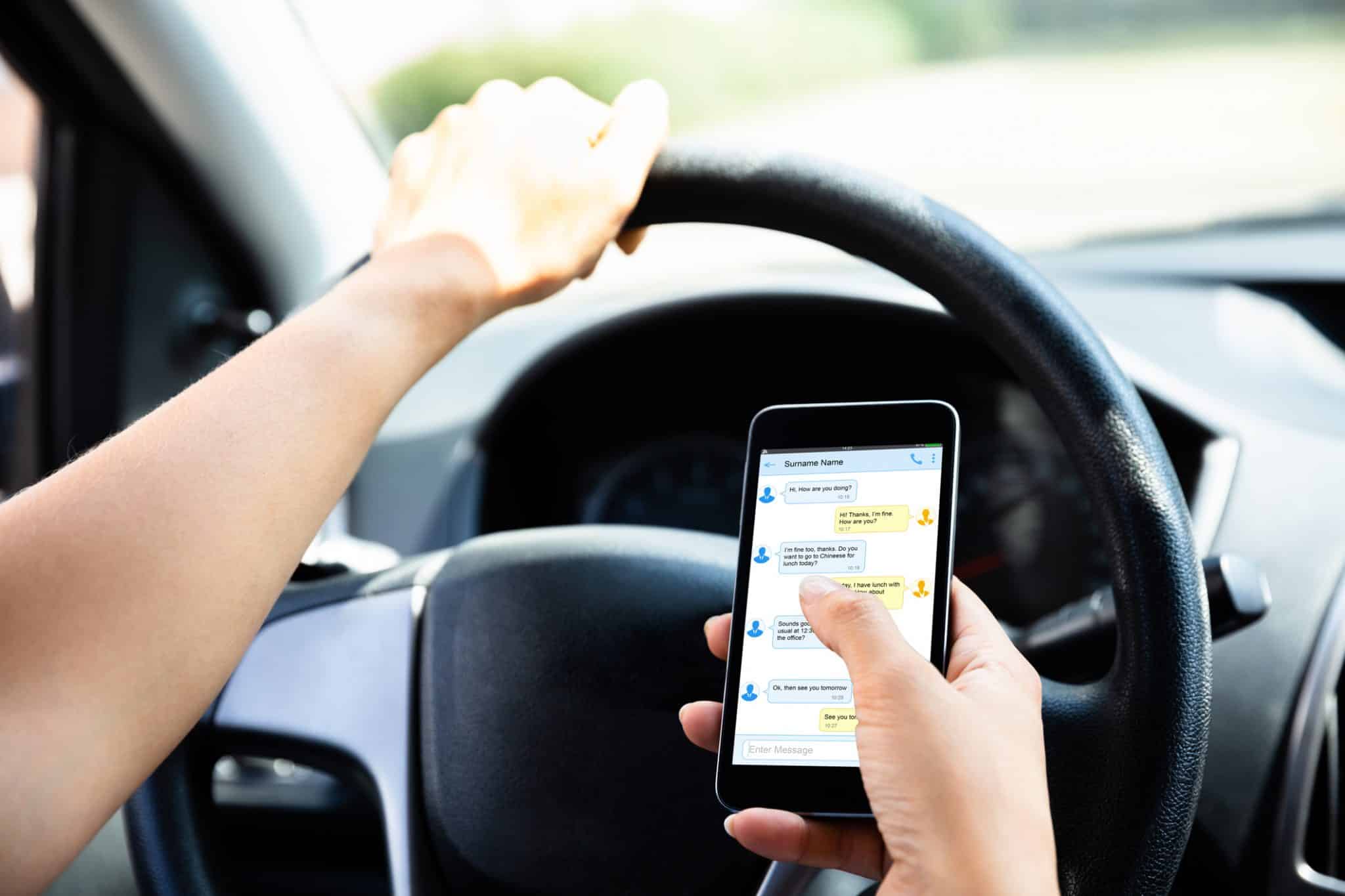
As of January 1, 2019 distracted driving is no longer just limited to the use of electronics while driving.
According to the current law, anything that causes a driver to be less focused on the road constitutes distracted driving.
You will be guilty of distracted driving if you do the following behind the wheel:
- Simply holding an electronic device in your hands
- Using a cellular phone to talk, text, check maps or switch playlists
- Eating (the amount of demerit points may vary depending on what you are eating)
- Reading books or documents
- Typing a destination into the GPS
- Wearing earphones while driving
The penalties apply equally whether you are driving on a highway or are stopped at a red light.
There is a good reason for the increase in penalties for distracted driving. According to provincial road statistics, deaths from collisions caused by distracted driving have doubled since 2000 in Ontario.
Data on collisions from 2013 show:
- one person is injured in a distracted-driving collision every half hour
- a driver using a phone is four times more likely to crash than a driver focusing on the road
Drivers convicted of distracted driving under the new laws will be punished with a licence suspension, a hefty fine (which is more than double the previous fine), and demerit points. The severity of the punishment increases with the number of subsequent offences committed. Drivers with A-G licenses convicted of distracted driving can expect the following:
First offence: 3 days suspension, 3 demerit points, and up to $1,000 fine
Second offence: 7 days suspension, 6 demerit points, and up to $2,000 fine
Three or more offences: 30 days suspension, 6 demerit points, and up to $3,000 fine
On top of these penalties, convicted drivers can expect their insurance premiums to increase.
For more information on distracted driving laws, visit Ministry of Transportation.
This blog post was written by Ines Jelic, a member of our Personal Injury team. She can be contacted at 613-566-2055, or by email at [email protected].